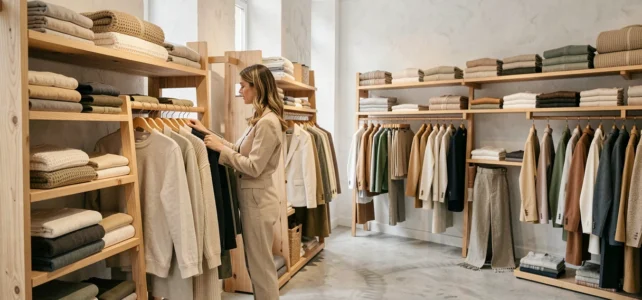
The women’s ready-to-wear market in France remains dominated by a few brands that consistently appear in the wardrobes of women around 35 years old. This ranking is based on three criteria: the quality of materials (organic cotton, linen, sustainable fibers), the relevance of cuts for a daily life that alternates between work and personal life, and the value for money.
Second-hand shopping now plays a significant role in the purchasing habits of this age group, as those aged 25-44 are the driving segment of textile re-commerce in France.
1. Sézane – Parisian style and organic cotton
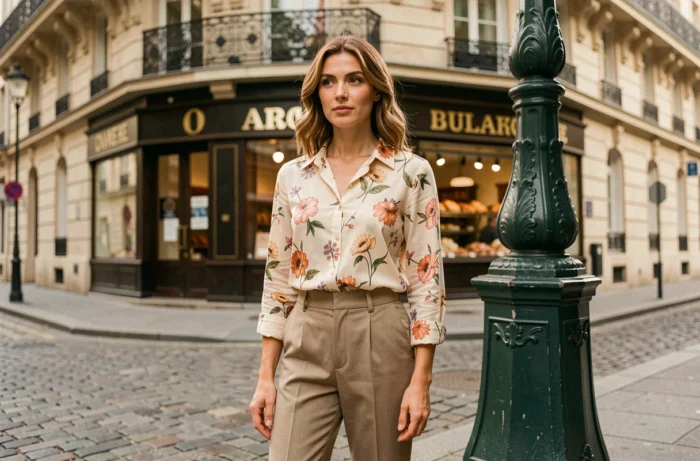
Sézane has built its reputation on feminine pieces made partly from organic cotton, with prices positioned between mid-range and premium. The French brand offers dresses, skirts, and blouses whose cuts remain stable from season to season, limiting the disposable fashion effect.
The online sales model with regular drops creates a rarity that maintains demand. For a 35-year-old woman, the appeal lies in the versatility of the pieces: a Sézane dress transitions from the office to dinner without a change. The brand has also developed a line of accessories (bags, shoes) that complement the wardrobe without multiplying the brands.
To delve deeper into the selection of brands suited to this profile, several analyses cross-reference the women’s fashion essentials for 35-year-olds on Pulpe de Coton with similar criteria of quality and sustainability.
2. Balzac Paris – French manufacturing and transparency

Balzac Paris focuses on the transparency of its production chain. Each product sheet details the country of manufacture, the exact composition, and the cost price. For 35-year-old women sensitive to the origin of their clothing, this clarity makes a difference.
The flagship pieces remain high-waisted jeans and knitted sweaters. Part of the production is made in France, which justifies a higher price positioning than fast fashion brands. The brand has incorporated recycled materials into several ranges, without claiming an organic label across its entire catalog.
3. Massimo Dutti – notable progress in 2025
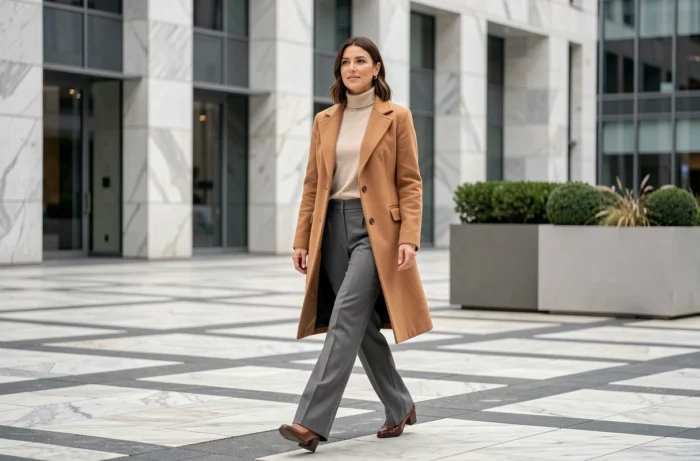
Massimo Dutti recorded the strongest growth in the Lyst Index in the last studied quarter, indicating that the brand attracts a clientele looking for a structured wardrobe without tipping into luxury. Blazers, straight pants, and thick cotton shirts form the core of the offer.
The positioning between Zara and the premium segment appeals to 35-year-old women who want sharp cuts for the office. The materials are generally denser than those of competitors in the Inditex group, even though production remains mostly outsourced.
4. Ami Paris – the unisex wardrobe that also works for women
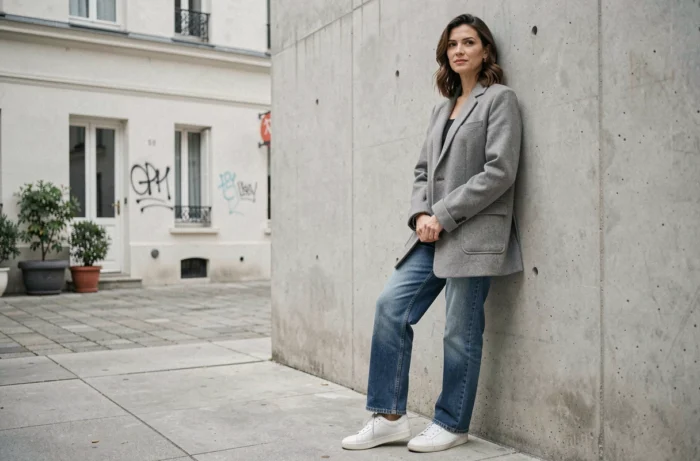
Ami Paris offers a unisex wardrobe with oversized cuts and crafted materials (wool, heavy cotton) that appeal to a female clientele who rejects overly fitted silhouettes. The Parisian brand has gained international visibility in recent years.
The price remains high, but the durability of the pieces compensates over several seasons. An Ami Paris coat or cardigan resells well in the second-hand market, which reduces the actual cost of ownership.
5. Jacquemus – the dress as a signature
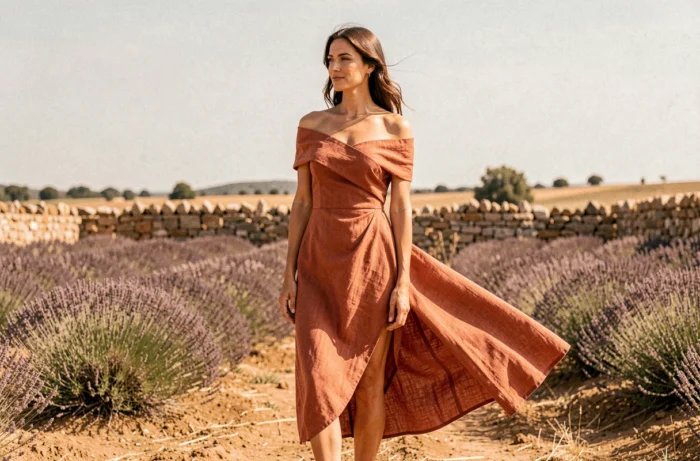
Jacquemus has established a recognizable Mediterranean aesthetic at first glance. Dresses, asymmetrical skirts, and the miniature bag have become strong markers. For a 35-year-old woman, Jacquemus functions as a brand of statement pieces rather than basics.
The budget is substantial. The French brand remains accessible on certain accessories, but the clothing falls within a premium range. Purchasing second-hand becomes a credible alternative to access these pieces without paying full price.
6. Uniqlo – technical basics at contained prices

Uniqlo may not be dream-worthy, but the Japanese brand solves a concrete problem: finding a well-cut cotton t-shirt, decent stretch jeans, or a technical undershirt for under 30 euros. The Heattech and AIRism ranges meet functional needs that few French brands cover at this price.
The limitation lies in durability. Some pieces lose their shape after about twenty washes. The trick is to target the premium lines (Uniqlo U) whose materials and finishes approach the European mid-range.
7. Ba&sh – structured femininity and boutique network
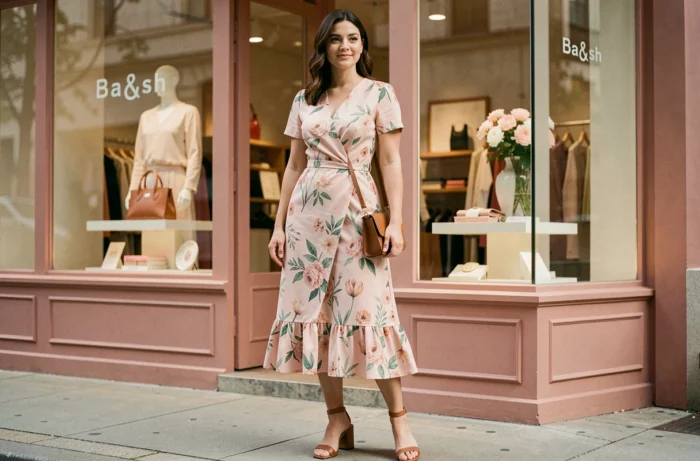
Ba&sh offers printed dresses, mid-season jackets, and knitwear that directly target women between 30 and 40 years old. The network of physical boutiques remains an asset for trying before buying, which reduces the return rate.
Prices are in the accessible premium segment. The brand has launched its own second-hand program, allowing customers to sell or buy pre-owned Ba&sh pieces directly on its site.
8. Loewe – the fashion investment that resells
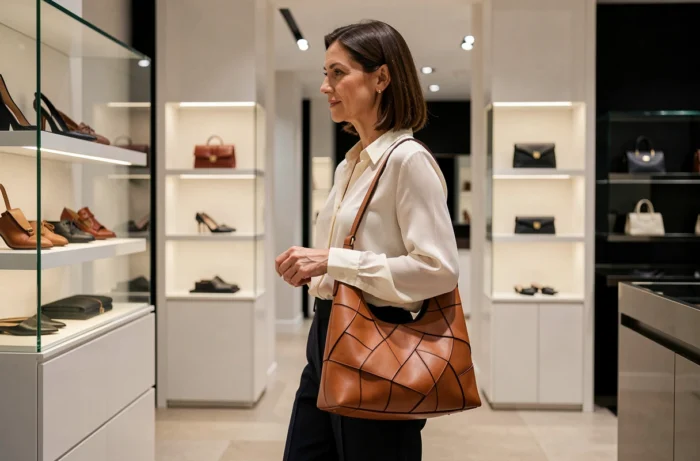
Loewe, under the creative direction of Jonathan Anderson, has repositioned the Spanish house as a reference for artisanal luxury. The leather work, finishes, and architectural volumes distinguish the brand. A Loewe bag retains one of the highest resale values on the market.
For a 35-year-old woman, Loewe represents a thoughtful purchase rather than an impulse buy. Leather pieces and accessories constitute the most reasonable entry point into the brand’s universe.
9. Rouje – the Parisian vintage spirit
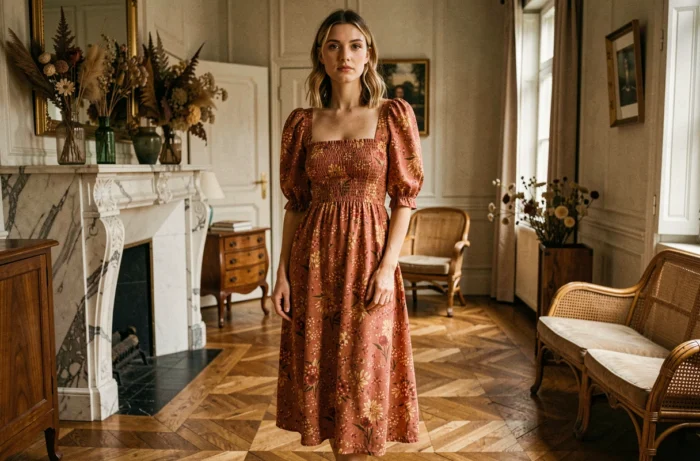
Rouje capitalizes on a retro Parisian aesthetic: wrap dresses, floral prints, fluid materials. The brand founded by Jeanne Damas targets those looking for an identifiable style without excessive sophistication.
Field returns vary regarding the quality of finishes compared to the displayed price. Some flagship pieces justify the investment, while others would benefit from being purchased during sales. The range of shoes and accessories expands the offer beyond just clothing.
10. Comptoir des Cotonniers – cotton as DNA
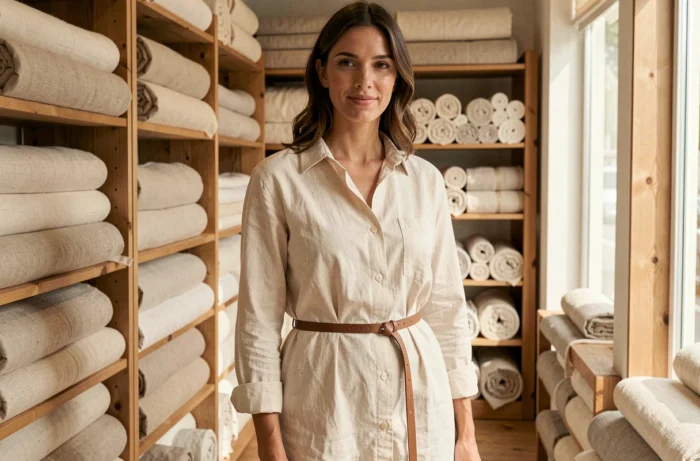
Comptoir des Cotonniers has gone through phases of repositioning, but the brand maintains a DNA centered on cotton and natural materials. Trench coats, shirts, and canvas pants remain reliable options for a casual work wardrobe.
The value for money has improved since the refocus on basics. The brand regularly offers clearance operations that allow access to well-made cotton pieces at competitive prices.
This ranking reflects a balance between accessible French brands and more premium labels. With the second-hand textile market estimated between 7 and 8 billion euros in France, buying these brands second-hand becomes a complete strategy for building a sustainable wardrobe without breaking the bank.